

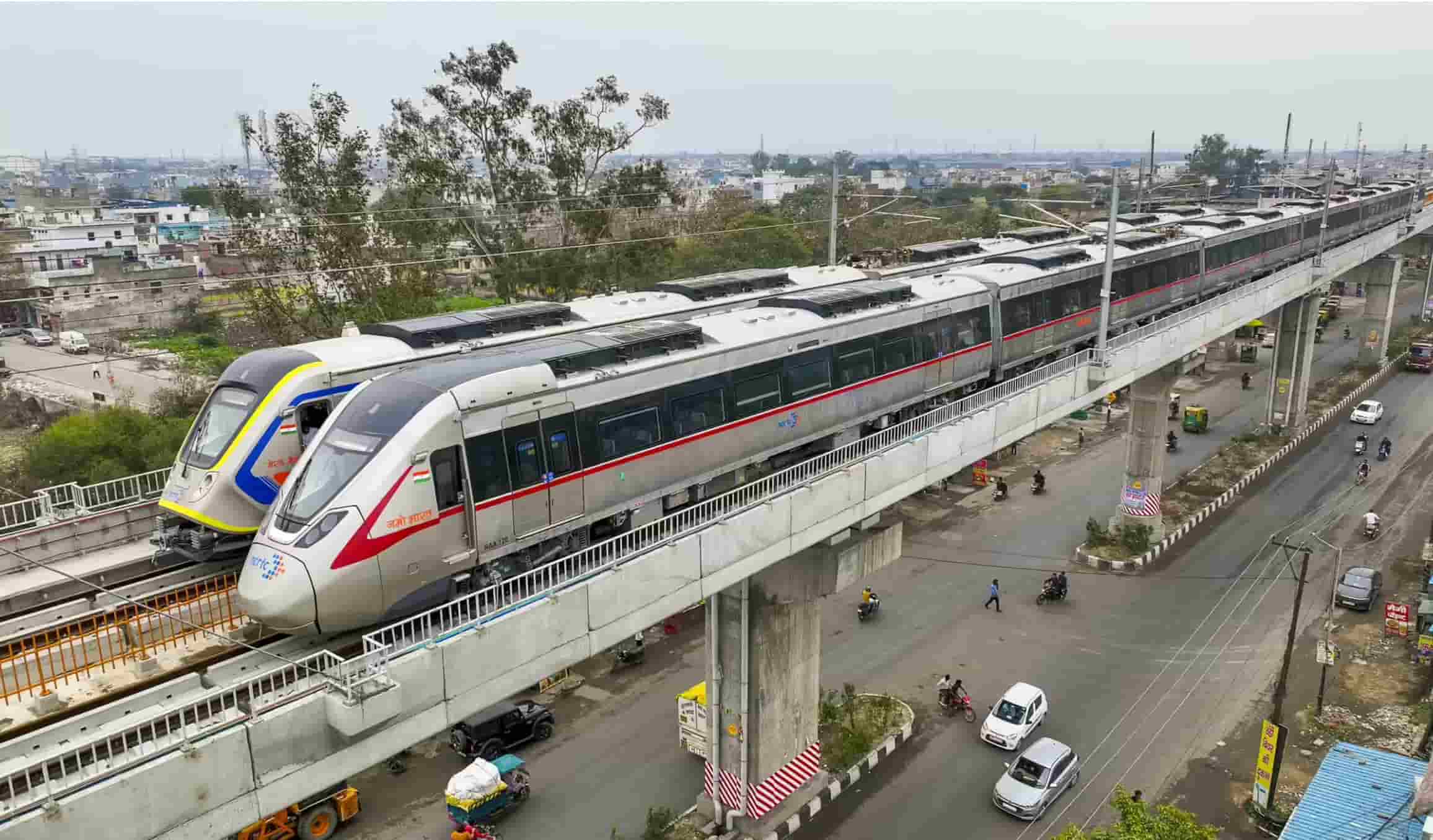
The proposed Metro connection between Yashobhoomi in Dwarka and Rajiv Chowk in Gurugram has moved another step forward, but the project has not yet reached the construction stage.
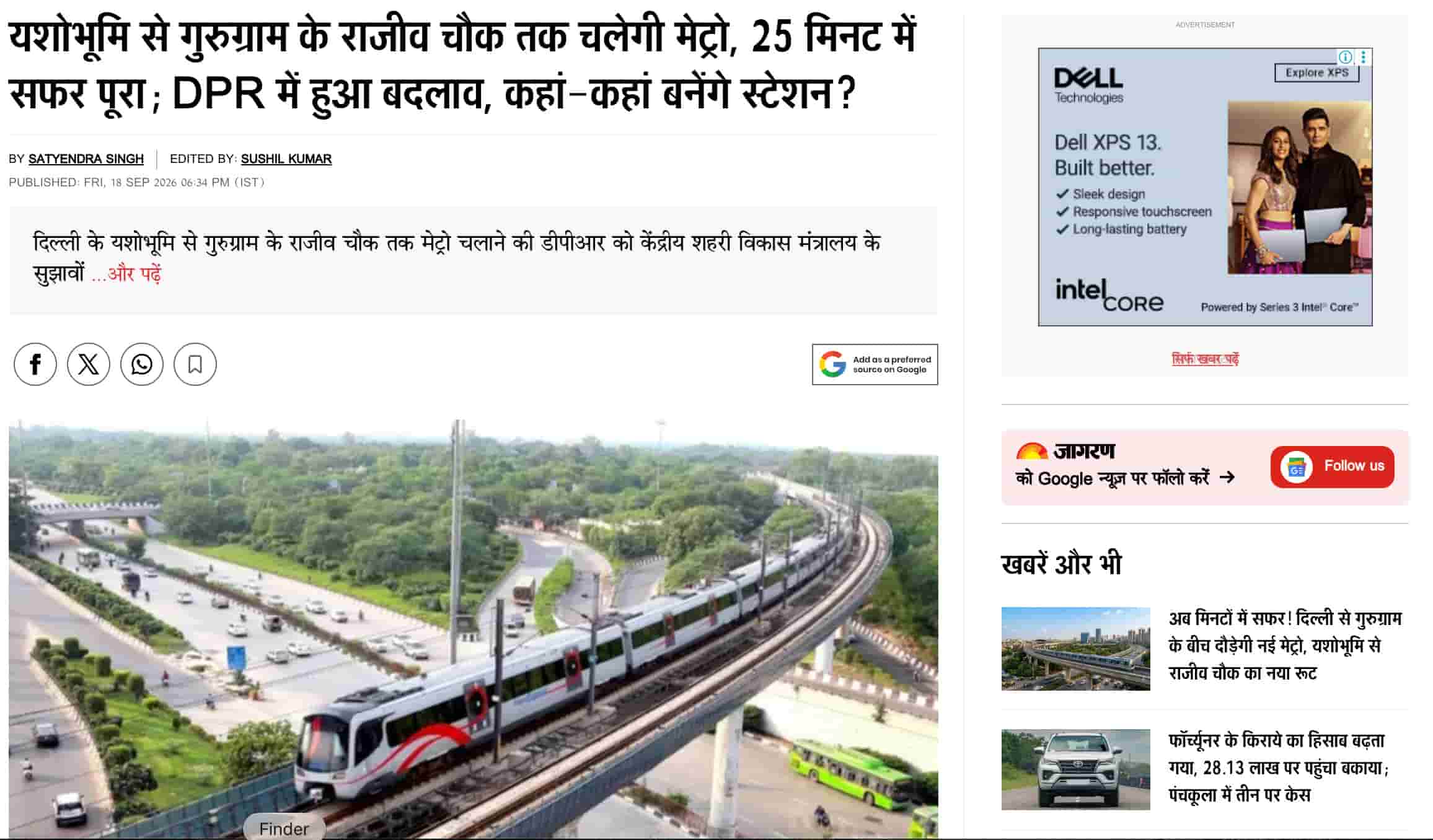
According to a September 18, 2026 report, the Detailed Project Report (DPR) has been revised after the technical team of the Union Ministry of Housing and Urban Affairs suggested modifications related to station entry and exit arrangements. The revised proposal now awaits approval before the Delhi Metro Rail Corporation can proceed with subsequent stages.
This is an important distinction for property buyers and residents tracking infrastructure around Dwarka, Bijwasan, Kapashera and Gurugram: a revised DPR does not mean construction has started.
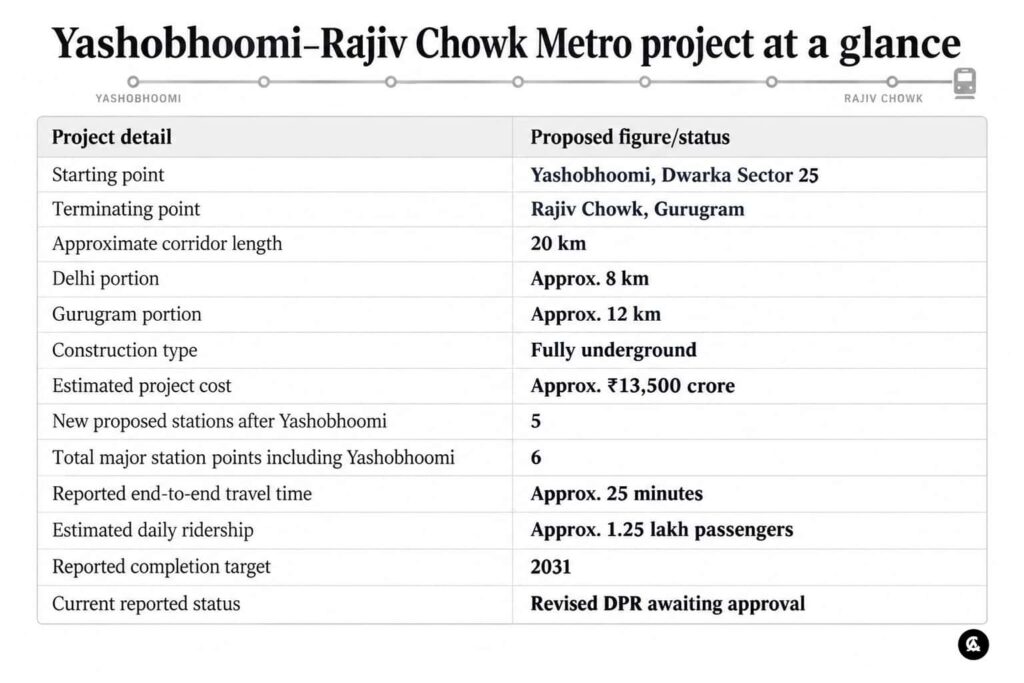
The corridor length, Delhi-Gurugram split and estimated project cost were reported by Hindustan Times in July based on Haryana government officials familiar with the draft DPR. The September update subsequently reported the revised DPR, projected journey time, ridership estimate and 2031 completion target.
Proposed Metro route and stations
The Tribune’s July report on the merged DPR identified five proposed stations beyond Yashobhoomi
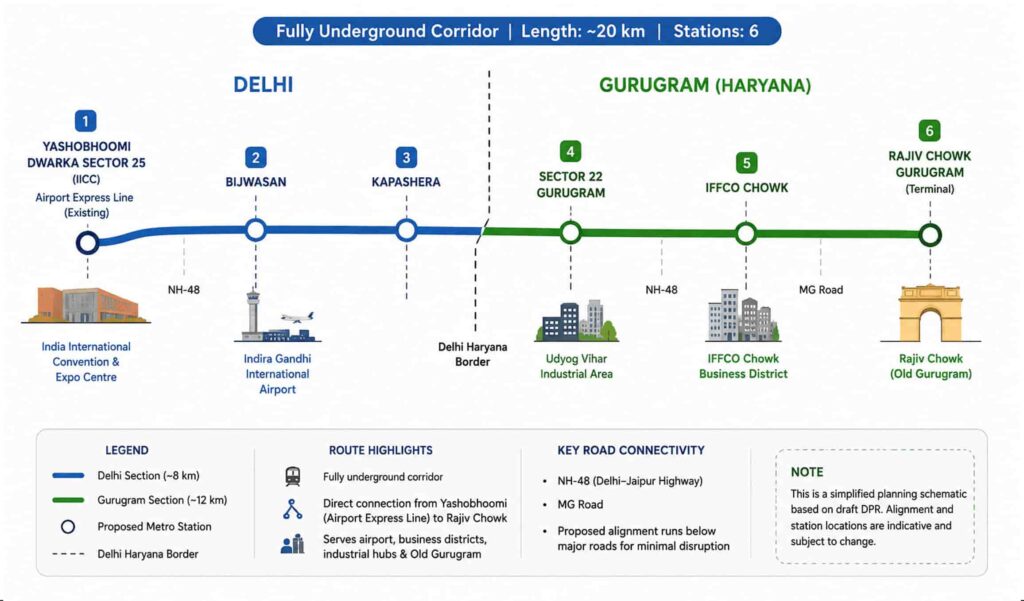
Hindustan Times also reported that the alignment would pass through areas including Dhul Siras, Bharthal, Bijwasan and Kapashera on the Delhi side before entering Gurugram.
The reference to Rajiv Chowk here means Rajiv Chowk in Gurugram, not the Rajiv Chowk Metro station at Connaught Place in central Delhi.
How did the present alignment emerge?
The current proposal is the result of multiple route studies rather than a single newly announced Metro line.
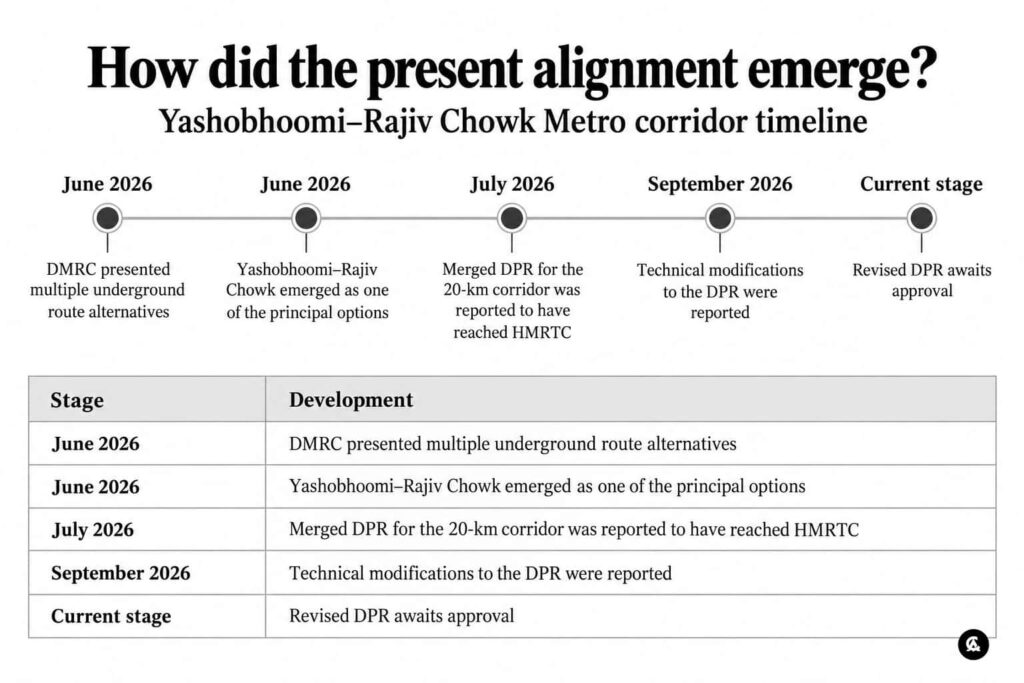
What changed in the revised DPR?
The latest reported changes appear to be primarily technical modifications connected with passenger access at stations rather than a complete redesign of the corridor.
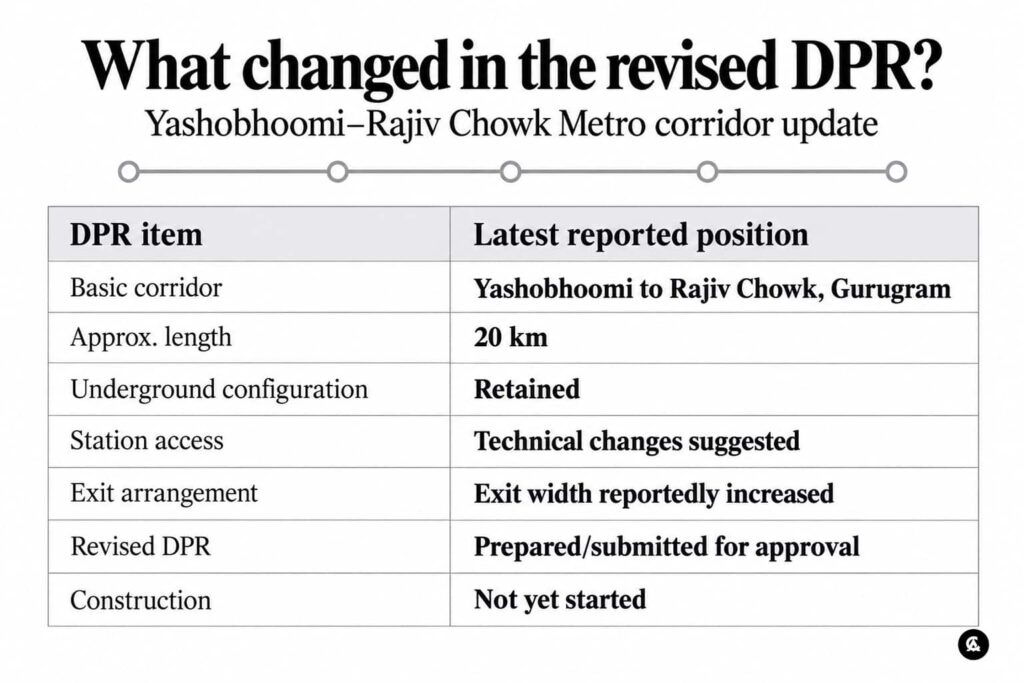
Dainik Jagran reported that the ministry’s technical team had raised observations concerning station entry and exit arrangements and that the revised DPR increased the width of the station exit.
How much is the Yashobhoomi–Gurugram Metro expected to cost?
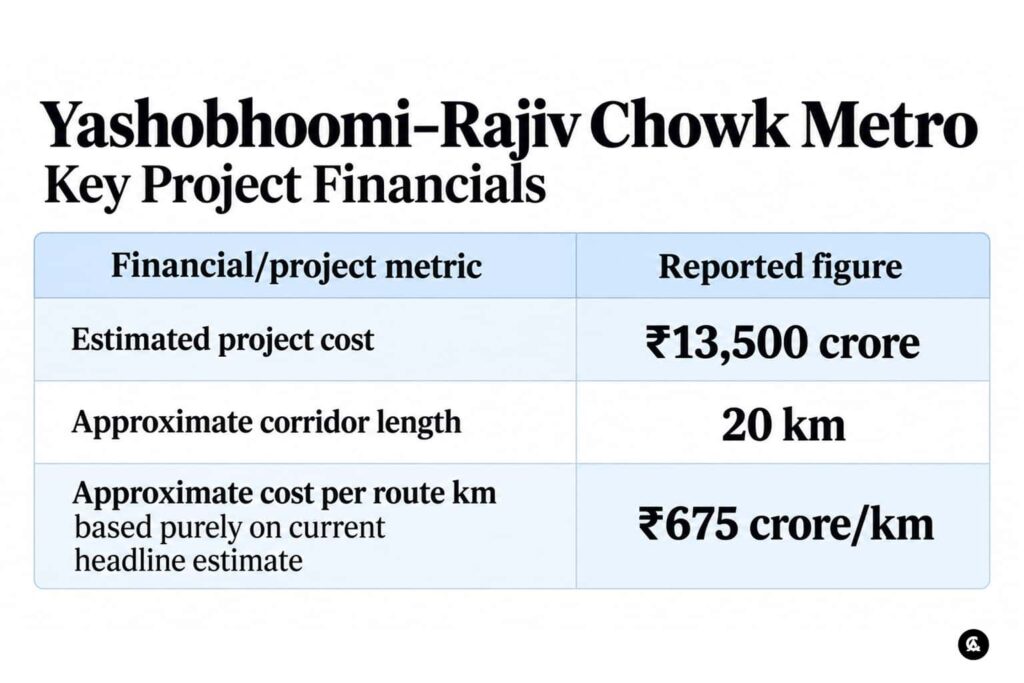
The ₹675 crore-per-kilometre figure above is simply the headline estimated project cost divided by the reported corridor length. It should not be treated as DMRC’s official per-kilometre construction cost because the complete project estimate can include stations, systems, civil works and several other components.
The ₹13,500 crore overall estimate has been reported consistently by Hindustan Times, The Tribune and the latest September report.
Can Yashobhoomi to Rajiv Chowk really take around 25 minutes?
The revised-project reporting estimates an end-to-end journey of approximately 25 minutes once the line becomes operational.
That should currently be understood as a projected journey time, not an existing travel time or a guaranteed operational schedule.
The average speed shown above is a simple calculation using the reported length and journey time. Actual operating speed, station dwell time and final timetable would only become clear much closer to commissioning.
How many people could use the corridor?
The latest report cites a survey estimate of approximately 1.25 lakh passengers per day once the corridor becomes operational.
This is a projected ridership figure and should not be interpreted as actual passenger traffic because the Metro line has neither been approved for construction nor commissioned.
What happens after DPR approval?
DPR approval is an important milestone, but it is not the final stage before trains begin running.
The exact process and schedule will depend on the approvals and implementation framework ultimately adopted for the corridor.
This is why the reported 2031 completion date should presently be treated as a target rather than a guaranteed commissioning date.
Conclusion
The proposed Yashobhoomi–Rajiv Chowk corridor is now significantly more defined than an early-stage Metro idea.
A roughly 20-km fully underground alignment, five proposed new stations beyond Yashobhoomi and an estimated ₹13,500 crore project cost have been reported consistently across multiple sources. The DPR has also reportedly undergone technical modifications following observations from the Union housing ministry’s technical team.
But one distinction remains critical:
The project is presently at the revised-DPR approval stage. It is not yet an under-construction Metro corridor.
For Dwarka and Gurugram, the proposal has the potential to create a major new cross-border Metro connection. For property buyers, however, the next meaningful development is not another route announcement — it is formal approval followed by visible procurement and construction activity.
Sources
- Dainik Jagran — 18 September 2026
Open Dainik Jagran report - Hindustan Times — 15 July 2026
Open Hindustan Times report - The Tribune — 27 July 2026
Open The Tribune report - The Tribune — 30 June 2026
Open The Tribune report - Hindustan Times — 23 June 2026
Open Hindustan Times report

Leave a Reply